
Globalcomm

Networks guide

SD-WAN for European businesses: from fragmented MPLS to a usable network

If every country adds another operator, another MPLS and little visibility, the issue is not “more bandwidth”: it is running the network as one system. This guide explains SD-WAN in business language.

Network operations room with monitors showing enterprise site topology

What worries the customer (and why it is fair)

Midmarket companies growing across Europe — especially those linking to Asia or other continents — face the same friction: uneven latency, loose local contracts, critical apps competing with generic traffic, and IT without end-to-end visibility.

The concern is operational: ERP, voice, cloud and collaboration continuity across sites. Every isolated provider raises hidden cost, change time and operational risk.

What we have that answers that concern particularly well

Global Networks combines enterprise SD-WAN (Tata Communications’ IZO capabilities) with orchestration of 60+ global operators — including Telefónica, Vodafone and Orange in Spain — under a nearby counterpart: Conecta Wireless / Globalcomm, Tata Premier Partner in Europe since 2019.

We do not sell a standalone “SD-WAN box”: we design the access mix, prioritise critical applications and coordinate rollout so the network stops being a country-by-country puzzle.

  • SD-WAN on Tata Communications’ global infrastructure.
  • Local operators where they add quality or cost value, without fragmenting governance.
  • Ordered migration from MPLS when the case justifies it.
  • Cloud / multicloud connectivity and private interconnect when the business needs it.

MPLS vs SD-WAN, without the jargon

MPLS has been the enterprise private-network standard: reliable, but rigid and expensive to extend to every new site or continent. SD-WAN adds a software layer that steers traffic by application, link quality and business policy.

In practice you can use enterprise internet, dedicated links and different operators without managing each site as a silo. The key is not the acronym — it is who designs the policy and who answers when something fails between Barcelona and Singapore.

Our differential value

Through Conecta Wireless, Globalcomm is the only provider that consolidates Tata Communications’ leadership and 60+ global operators to deliver a seamless enterprise network.

That means global reach (every continent via Tata) plus operational proximity in Europe: one commercial and technical thread, not three providers passing the buck.

Advantages we bring

The outcome we aim for is operational, not catalogue-driven.

  • One management layer for European and international sites.
  • Less fragmentation across local operators.
  • Stronger end-to-end visibility on traffic and critical apps.
  • Faster rollout of new sites or subsidiaries.
  • Specialised nearby support without losing Tata’s global backbone.

What to ask your partner before signing

If you are evaluating SD-WAN, these questions filter generic proposals.

  • Who orchestrates local operators and the global layer (one counterpart or several)?
  • How are ERP, voice, video and cloud prioritised?
  • What happens on local access failure: backup, policy, response times?
  • How are sites in Asia or other continents connected without rebuilding the model?
  • Is access security (SASE) designed with the network or left for “phase 2”?
Frequently asked questions

Does SD-WAN always replace MPLS?

Not always. Many companies migrate gradually or combine both by site criticality. What matters is a design with clear policy, not a dogmatic rip-and-replace.

Does Globalcomm operate Tata’s network?

Tata Communications provides the infrastructure and capabilities (e.g. IZO SD-WAN/SASE). Globalcomm / Conecta Wireless bring that portfolio to the European midmarket with design, engagement and nearby operations as Premier Partner.

Is it only for corporate offices, or also retail?

It fits any multi-site network: offices, plants, stores or logistics hubs. Design changes with critical apps and per-site resilience needs.

More resources

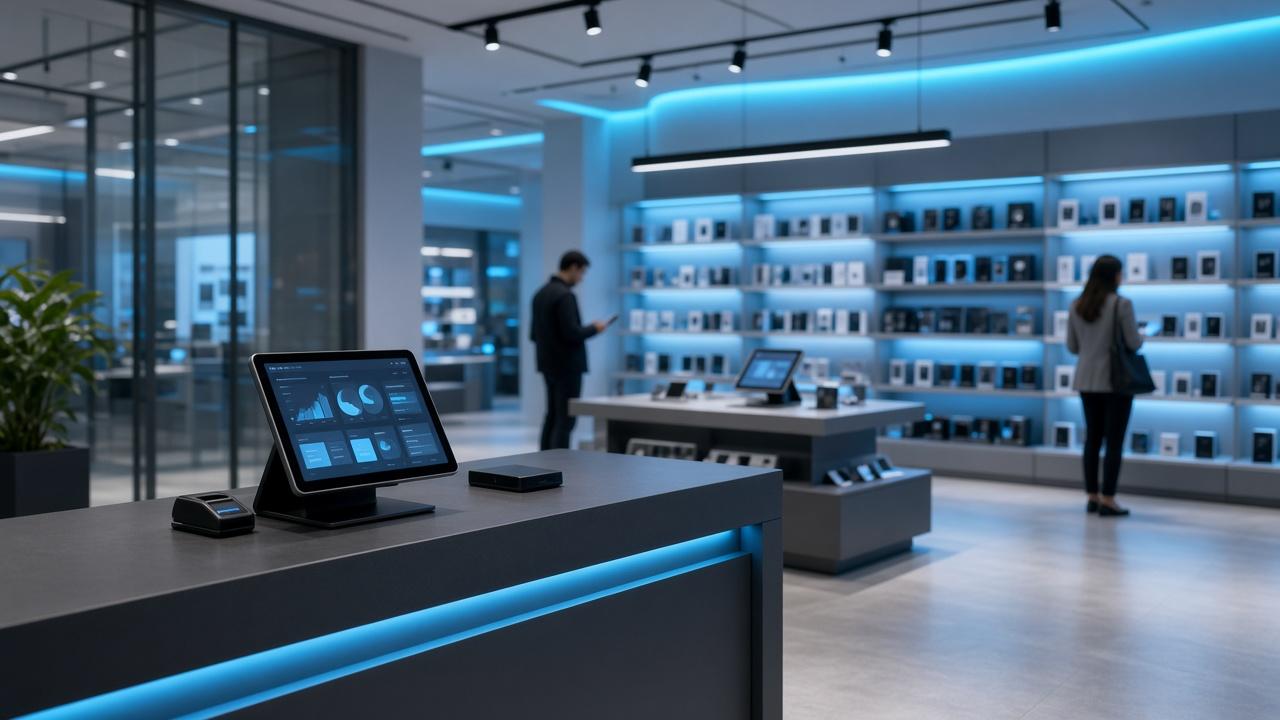
Modern retail store with digital systems and connected point-of-sale terminals

Connected retail: SD-WAN, voice and in-store security

If every store depends on a different local access, POS, inventory and support live with outages and patches. This guide explains how to align network, communications and security for multi-site retail.

International hotel lobby with digital operations and connectivity

Multi-country hospitality: network, voice and secure access across properties

If every property lives a different network quality, PMS, front desk and HQ do not operate the same way. This guide aligns connectivity, communications and security for international hospitality.

Business meeting with an international connectivity map on the table

How to request an international connectivity proposal without getting lost

If you ask for “international connectivity” without scoping countries, critical apps and ownership, you will get incomparable proposals. This guide helps you brief vendors so you can decide with criteria.

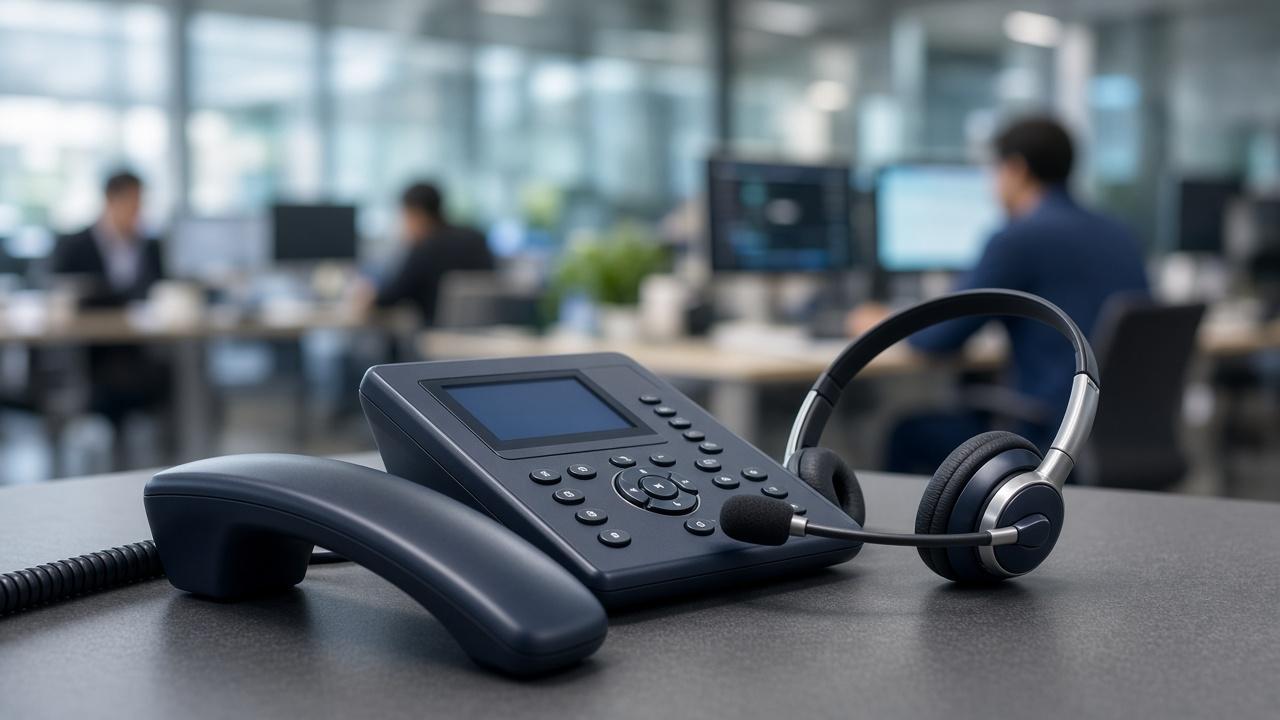
Enterprise communications: headset and office phone in a corporate setting

International SIP Trunk: what to ask for to unify voice across countries

As the company grows across markets, voice fragments: local numbers, different platforms and hard-to-explain costs. This guide turns SIP Trunk into business decisions.

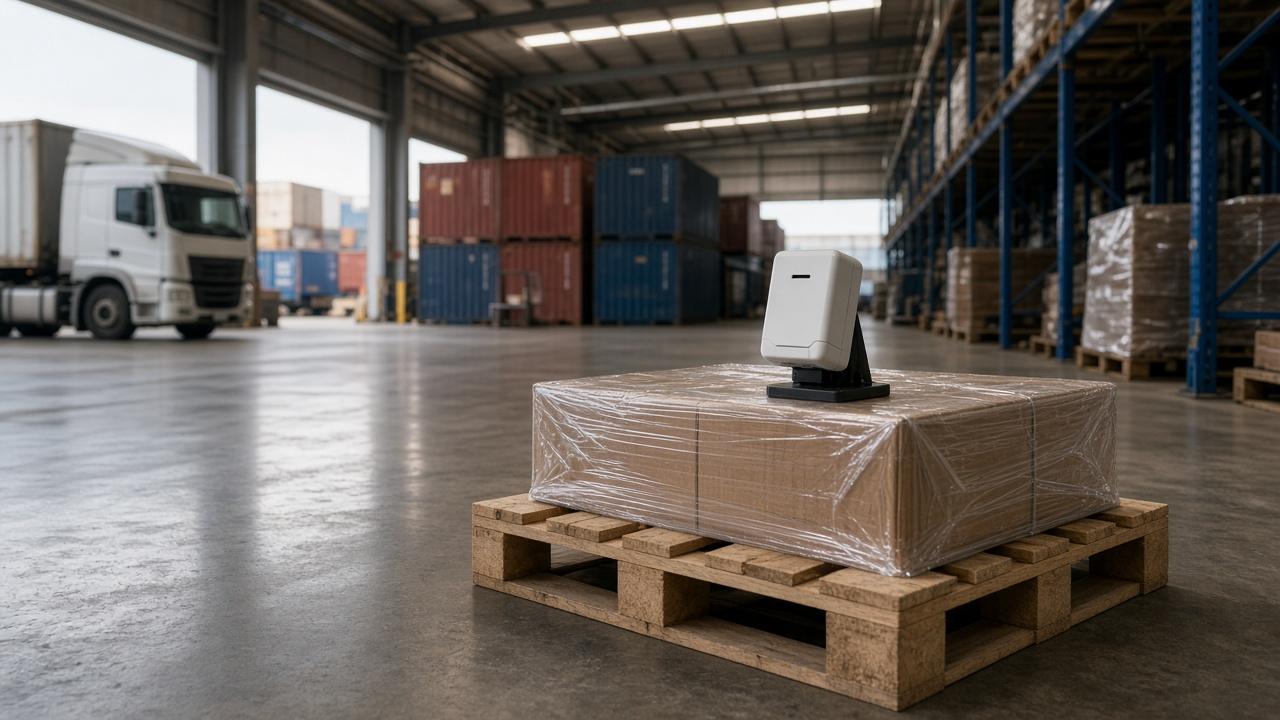
Logistics warehouse with containers and an IoT device on cargo

IoT connectivity in logistics: tracking that survives the border

Losing sight of an asset when it crosses a country is not usually a “GPS failure”: it is often a connectivity model failure. This guide aligns logistics IoT with coverage, lifecycle and operations.

Secure IT infrastructure with racks and enterprise remote access

SASE and access security: protect expansion without slowing it down

If security is added “at the end” of the network project, site and cloud expansion multiplies gaps. This guide explains SASE in business terms and how it fits Globalcomm connectivity.

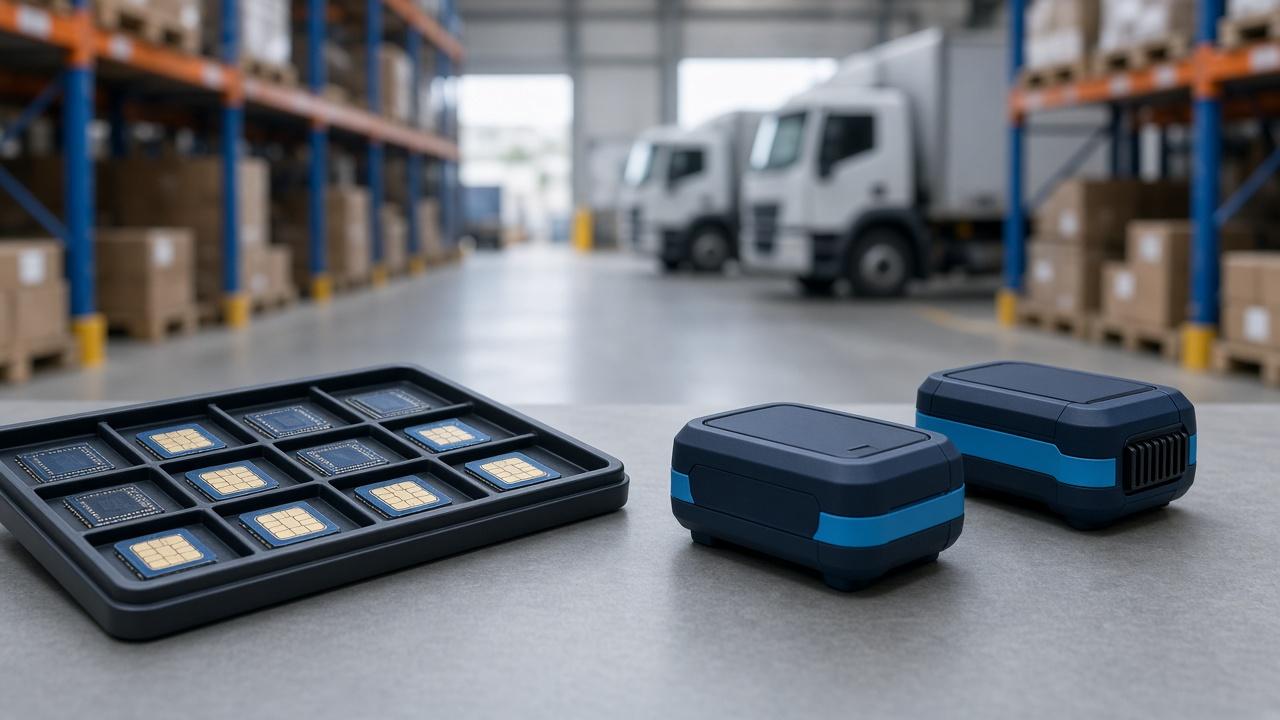
Industrial SIM cards and IoT trackers organised in a logistics warehouse

IoT SIM lifecycle in multinational fleets

Connecting the device is only the first step. If you do not control each line’s lifecycle — from activation to decommissioning — inventory drifts, costs rise and incidents multiply.

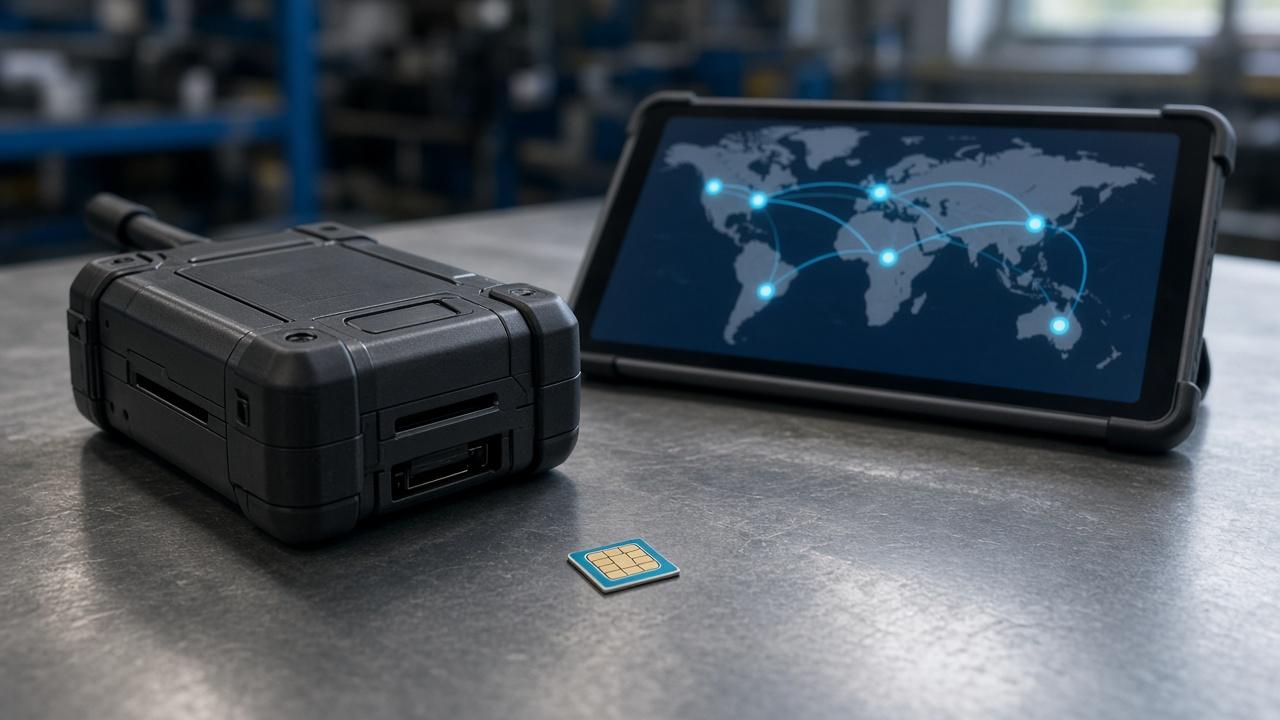
Industrial IoT device and SIM card beside a map of international connections

SIM, eSIM and multi-IMSI for multi-country IoT

When assets, machinery or devices cross borders, choosing between SIM, eSIM and multi-IMSI shapes coverage, operating cost and time to go live. This guide outlines what to clarify before you contract.

Need to connect devices or sites across countries?

Tell us where you operate and what you need to connect. We will propose an IoT or networking solution that fits your operations.